
Introduction
Getting a mobile extended warranty is supposed to give you peace of mind. You pay extra to stay protected after your manufacturer warranty expires, expecting stress-free repairs when something goes wrong. But for many users, that peace of mind disappears the moment their claim is rejected.
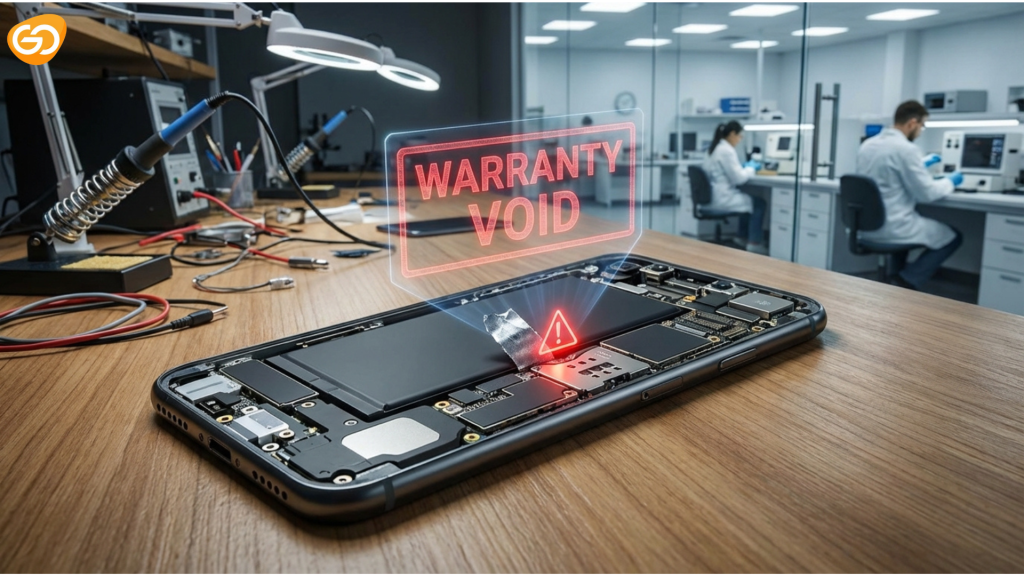
One of the most common—and least understood—reasons for rejection is unauthorized repair. A simple screen change at a local shop or a battery replacement outside approved channels can instantly void your warranty. This article explains how the unauthorized repair trap works, why providers enforce it strictly, and how you can protect your phone damage protection from becoming useless.
What Is a Mobile Extended Warranty?
A mobile extended warranty is a protection plan that continues coverage after the original manufacturer warranty ends. It primarily covers mechanical and electrical failures such as motherboard issues, charging problems, speaker malfunctions, camera failures, and internal component defects.
Unlike phone damage protection or insurance, extended warranties do not focus on accidental damage like drops or liquid spills. Instead, they assume the phone remains untampered and serviced only through approved channels. Providers such as GoWarranty clearly define these conditions to ensure quality control and reliable repairs.
What Counts as an Unauthorized Repair?
An unauthorized repair is any repair done outside the warranty provider’s approved service network. Many users assume unauthorized means “bad repair,” but that’s not true—even a perfectly working repair can still void your warranty.
Unauthorized repairs include:
- Fixes done at local or roadside repair shops
- Replacement of parts with non-genuine components
- Battery or screen changes outside authorized centers
- Breaking or removing warranty seals
- DIY repairs using online tutorials
- Rooting, flashing, or modifying phone software
Even if the phone works fine after the repair, the warranty is still considered violated.
Why Unauthorized Repairs Void Warranty
Warranty providers reject claims after unauthorized repairs for one main reason: they can no longer trust the phone’s internal integrity.
Once a phone is opened outside approved facilities:
- The quality of parts cannot be verified
- Installation standards are unknown
- Hidden internal damage becomes possible
- Diagnostic accuracy is compromised
- Safety and performance risks increase
From the provider’s perspective, it becomes impossible to confirm whether a later failure is due to a manufacturing defect or poor repair work. This is why mobile extended warranty contracts strictly prohibit unauthorized repairs.
Common Scenarios Where Claims Get Rejected
Most rejected claims follow predictable patterns:
- Cheap screen replacement at a local shop to save money
- Battery replacement using non-OEM parts
- Charging port repair done outside authorized service
- Water-damage cleanup by third-party technicians
- Software rooting or flashing for customization
In many cases, users only discover the issue months later when a different component fails—and their phone damage protection is already void.
How Warranty Providers Detect Unauthorized Repairs
Many users believe unauthorized repairs are hard to detect. In reality, warranty inspections are extremely detailed.
Providers check:
- Broken or missing warranty seals
- Non-original screws, glue, or components
- Tool marks inside the phone
- Mismatched serial numbers on parts
- Diagnostic logs showing software tampering
Even if the phone looks normal from the outside, internal inspections and diagnostics often reveal past unauthorized repairs instantly.
How to Avoid the Unauthorized Repair Trap
Protecting your mobile extended warranty is easier than most people think:
- Always use authorized service centers, even if they cost more
- Read warranty terms carefully before repairing anything
- Avoid “cheap fixes” that promise quick results
- Keep all service invoices and documentation
- Confirm repair eligibility with your warranty provider before proceeding
Trusted providers like GoWarranty emphasize transparency and approved repair networks to help users avoid accidental coverage loss.
What to Do If Your Claim Is Already Rejected
If your warranty claim has been rejected:
- Request a detailed inspection report
- Check if an appeal process is available
- Escalate politely with documentation if applicable
If rejection is final, consider alternative phone damage protection options for future safety. Most importantly, learn from the experience to prevent repeat mistakes with your next device.
FAQ
1. Does one unauthorized repair permanently void a mobile extended warranty?
Yes. Even a single unauthorized repair can permanently void coverage.
2. Are local repair shops always considered unauthorized?
Yes, unless the shop is officially approved by the warranty provider.
3. Does extended warranty cover accidental damage?
No. Accidental damage requires separate phone damage protection or insurance.
4. Can software changes void my warranty?
Yes. Rooting, flashing, or installing unofficial firmware is considered tampering.
5. Is authorized repair really worth the extra cost?
Absolutely. It protects your warranty and prevents far bigger expenses later.
Final Takeaway
The unauthorized repair trap is one of the biggest reasons mobile extended warranty claims get rejected. What looks like a small shortcut today can turn into a major financial loss tomorrow.
If you’ve invested in extended coverage, protect it by making smart repair decisions. Use authorized service centers, understand your warranty terms, and treat repairs as part of your long-term phone damage protection strategy—not a place to cut corners.
A little awareness now can save you thousands later.