
Introduction
Apple’s obsession with sleekness has reached new heights with the iPhone 17 Air, the company’s thinnest and lightest iPhone to date. Marketed as a design marvel, it redefines minimalism with a titanium frame and featherweight body — but at what cost?
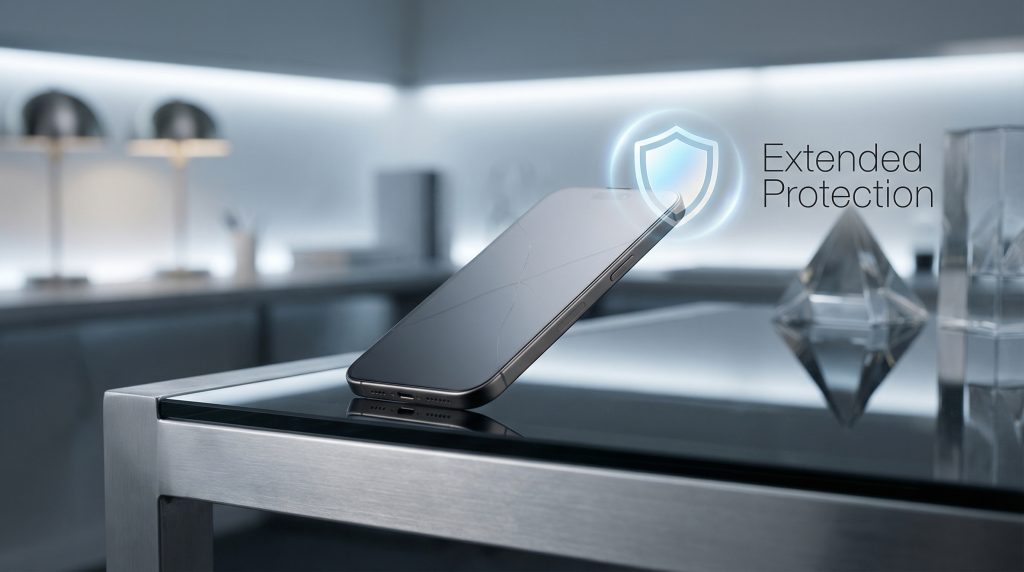
After four months of hands-on use, one question keeps resurfacing: has Apple made the iPhone too thin for its own good? Reports of frame flex, minor dents, and display fragility are starting to surface, leaving buyers concerned. For a premium phone priced well above ₹1,20,000, extended warranty for iPhone and damage protection for iPhone have become more important than ever.
In this detailed 4-month review, we’ll dive deep into the iPhone 17 Air’s design, performance, durability, and the crucial role of protection plans in safeguarding your investment.
iPhone 17 Air: First Impressions (Design & Feel)
The moment you unbox the iPhone 17 Air, its design commands attention. Measuring just 6.2mm in thickness and weighing under 160 grams, it’s the lightest flagship Apple has ever built. The aerospace-grade titanium frame, paired with a soft matte glass back, delivers a premium feel that’s undeniably elegant.
However, that very thinness comes with trade-offs. The phone’s ultra-slim profile makes it slightly more flexible when pressure is applied near the volume buttons — something sturdier models like the iPhone 15 Pro Max didn’t exhibit. The matte finish, though beautiful, attracts fingerprints quickly, and the side rails are prone to micro-scratches from everyday use.
Despite these minor flaws, Apple deserves credit for perfecting balance — the phone feels almost weightless yet sophisticated. But users expecting bulletproof toughness may need to lower expectations or, better yet, pair it with a sturdy case and screen protector.
Performance After 4 Months
The iPhone 17 Air runs on Apple’s new A19 Pro chip, which is an absolute powerhouse. Everyday tasks feel instant, and graphics-intensive games run buttery smooth. Benchmark results put it on par with Apple’s high-end iPhone 17 Pro despite being slimmer.
However, after four months of use, a few small compromises became evident:
- Battery life takes a minor hit due to reduced battery capacity; expect about 6–7 hours of screen-on time versus the Pro model’s 8–9.
- Thermal performance is slightly weaker; the device heats up faster under prolonged gaming or video recording.
- The display remains breathtaking — the 120Hz ProMotion OLED panel with HDR support makes content look vibrant and crisp.
- The frame, unfortunately, shows tiny dents from pocket pressure and accidental bumps.
Overall, the performance remains stellar, but the thin design impacts long-term durability, which makes damage protection for iPhone more relevant than ever.
Durability Test Insights: Is the iPhone 17 Air Too Fragile?
Apple claims the iPhone 17 Air uses a new Titanium Flex Armor frame designed to resist bending. Yet, independent tests tell a mixed story.
- Drop tests by popular reviewers showed cracked glass and dented corners from waist-level drops — slightly worse than the 17 Pro.
- Scratch tests reveal minor scuffs from keys and coins, typical but noticeable on matte glass.
- Teardown analyses confirm reduced internal structural reinforcements to save weight, contributing to more frame flex.
- Some users have reported back glass fractures from minor impacts that previous iPhones would have survived.
In short: the iPhone 17 Air is beautiful but undeniably delicate. A single slip could cost ₹25,000–₹60,000 in repair bills. This is where damage protection plans come in handy — they ensure one accident doesn’t break both your phone and your wallet.
The Role of Extended Warranty for iPhone 17 Air
Every iPhone comes with a one-year limited warranty — but Apple’s post-warranty repairs are notoriously expensive. A display replacement alone can cost ₹45,000+, and logic board repairs may reach ₹70,000.
An extended warranty for iPhone extends your coverage by 1–2 years and protects against manufacturing defects, display malfunctions, and internal hardware failures. For premium devices like the 17 Air, this coverage is not optional — it’s essential.
If you plan to keep your iPhone 17 Air for 3+ years, the extended warranty is a smart long-term investment. It ensures you’re covered for expensive component failures and gives peace of mind beyond Apple’s limited support period.
Damage Protection for iPhone 17 Air: What You Should Know
While warranties handle manufacturing issues, damage protection plans cover real-world accidents — the kind that happen daily.
These plans protect you from:
- Accidental drops or cracks
- Liquid spills or water damage
- Screen replacement due to impact
- Theft or loss (in select plans)
Apple’s own AppleCare+ allows up to two accidental incidents per year, each with a small service fee. In India, third-party options like Gowarranty offer affordable coverage starting at ₹1,499 per year, often with door-to-door service and quick claim processing.
Given the iPhone 17 Air’s delicate build, damage protection for iPhone isn’t just optional — it’s almost mandatory if you value your investment.
Buyer Tips: Keeping Your iPhone 17 Air Safe
Owning an iPhone 17 Air is a statement of style, but protecting it ensures that beauty lasts. Here are a few essential safety and care tips:
- Use a MagSafe shockproof case – Thin yet durable cases maintain aesthetics while absorbing impact.
- Install a high-quality tempered glass to prevent micro-cracks and scratches.
- Register your extended warranty or protection plan immediately after purchase to avoid lapse in coverage.
- Avoid third-party repair centers – unauthorized repairs can void your AppleCare+ plan.
- Keep digital receipts and warranty emails handy for quick claim approvals.
A small amount of care and preparation can save you from massive repair bills later.
FAQ: iPhone 17 Air Warranty & Durability
1. Is the iPhone 17 Air really more fragile than the iPhone 15 Pro?
Yes, slightly. While titanium helps reduce bending, the thinner frame introduces new pressure points that make it marginally more vulnerable to drops.
2. Should I buy AppleCare+ or a third-party plan?
If you can afford it, AppleCare+ offers the best support directly from Apple. Otherwise, Gowarranty are reliable third-party alternatives.
3. Does extended warranty cover accidental damage?
No — extended warranties cover only manufacturing defects. You’ll need a damage protection plan for accidents.
4. Can I buy damage protection after the purchase?
Yes, most providers allow it within 7–15 days of purchase. Always activate it early to avoid inspection delays.
5. Is the iPhone 17 Air still worth buying despite fragility concerns?
Absolutely — it’s a phenomenal device. Just make sure to pair it with a protection plan to safeguard your investment.
Conclusion
After four months, the iPhone 17 Air stands as both a marvel of engineering and a reminder of design trade-offs. It’s sleek, powerful, and modern — but also more prone to accidental damage than its predecessors.
By investing in extended warranty for iPhone and damage protection for iPhone, you future-proof your device and eliminate the fear of unexpected repair costs. For a phone this premium, protection isn’t an afterthought — it’s a necessity.
So, enjoy the elegance of your iPhone 17 Air, but do it the smart way — protect it before you regret it