
Introduction
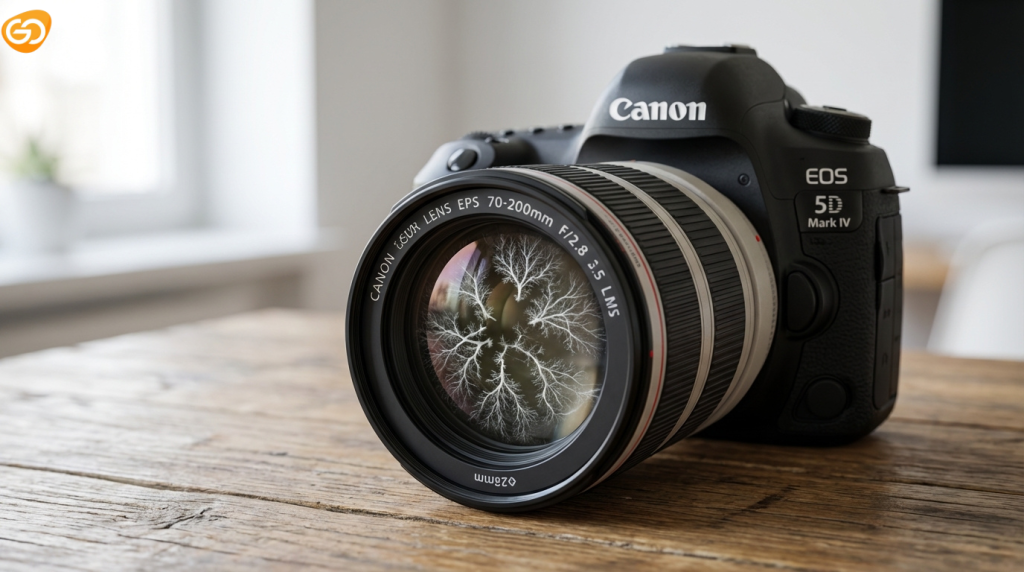
If you’ve ever taken your camera out after a long break and noticed hazy patterns or web-like marks inside your lens, you already know how stressful camera lens fungus can be. It’s one of those problems photographers don’t see coming—and by the time it shows up, the damage may already be serious.
Camera lens fungus grows quietly and slowly, often without any obvious warning signs. While good storage and maintenance can reduce the risk, no gear is completely immune. That’s why combining prevention with an extended warranty for camera and damage protection for camera lens from a trusted provider like GoWarranty is a smart move for protecting your photography investment.
What Is Camera Lens Fungus and Why Does It Occur?
extended warranty for camera protecting lenses from fungus damage
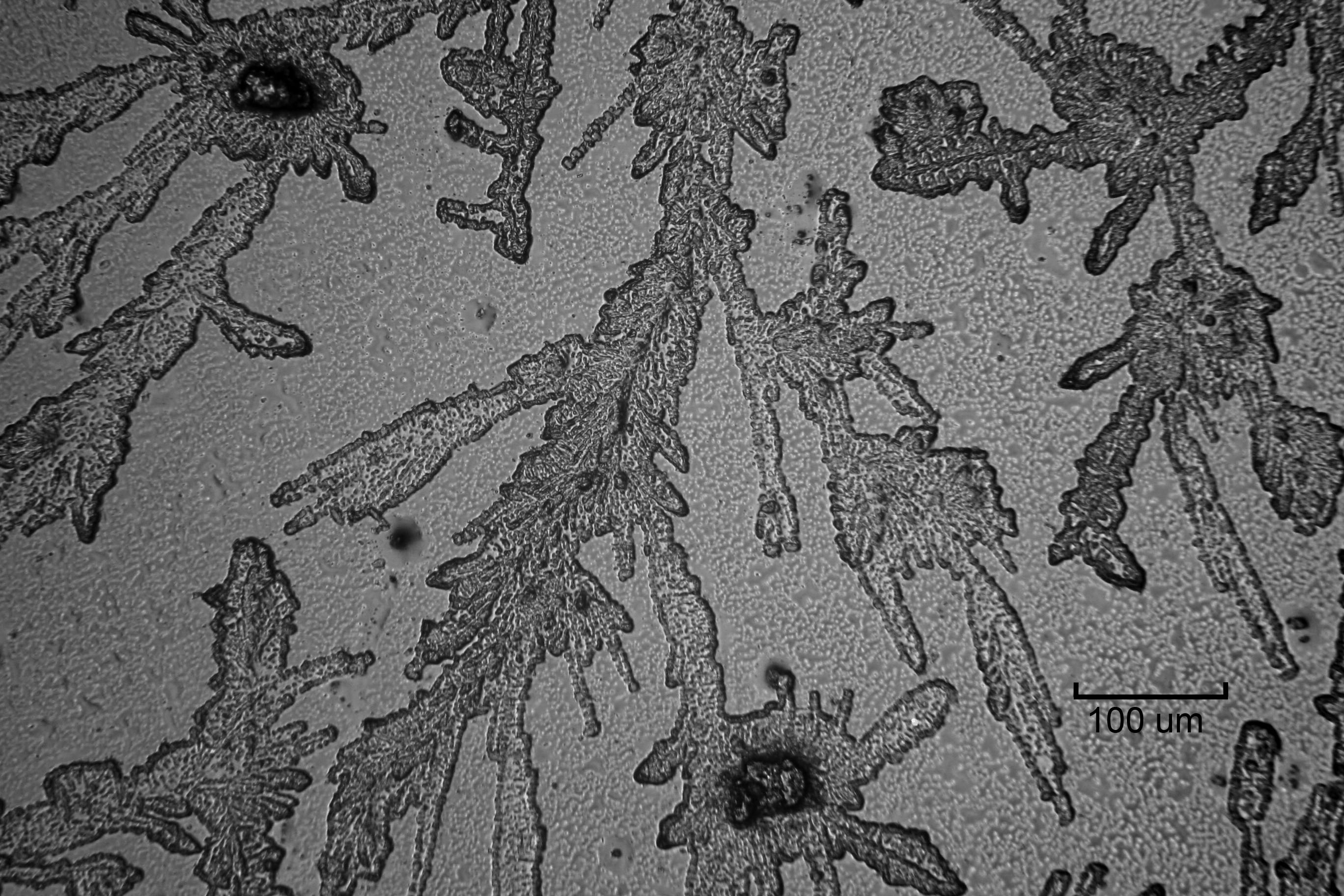
Camera lens fungus is caused by microscopic spores that thrive in dark, warm, and humid environments. Inside lenses, these spores feed on organic materials like lens coatings and internal lubricants. Once conditions are right, fungus spreads surprisingly fast.
High humidity (above 60%), poor airflow, and long periods of inactivity are the most common triggers. According to educational resources like Wikipedia’s explanation of camera lens fungus, moisture is the single biggest risk factor when it comes to fungal growth inside optical equipment.
How Fungus Damages Camera Lenses
Fungus doesn’t just sit on the surface—it releases acidic byproducts that slowly eat away at lens coatings and sometimes the glass itself. This leads to:
- Reduced contrast and sharpness
- Increased glare and flare
- Permanent optical damage
Once the glass is etched, cleaning can remove the fungus but not the damage. That’s why prevention and protection are equally important.
Early Signs vs Advanced Fungus Damage
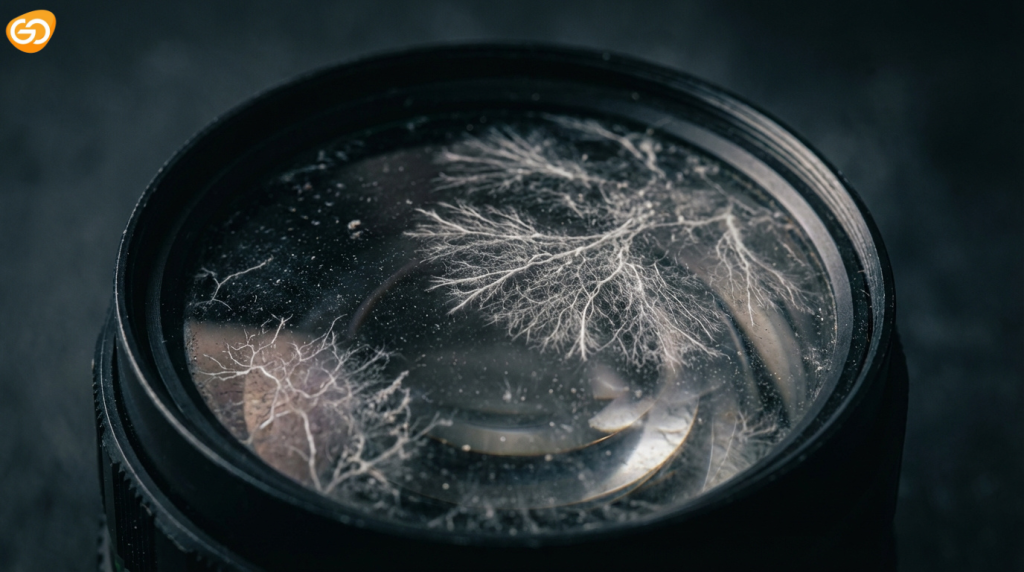
In the early stages, lens fungus may appear as light haze, tiny threads, or faint circular spots visible when shining a flashlight through the lens. Image quality may still look acceptable, which is why many photographers miss it.
Advanced fungus damage is much more severe. Thick fungal patterns and etched glass can permanently ruin image quality and drastically reduce resale value. At this stage, replacement is often cheaper than repair—especially without damage protection for camera lens coverage.
How to Prevent Camera Lens Fungus (Simple and Practical Tips)
Store Your Gear Properly
The most effective way to prevent fungus is proper storage. A dry cabinet keeps humidity between 40–50%, which is ideal for camera gear. If you don’t have one, airtight containers with silica gel are a solid alternative.
Avoid storing cameras in dark cupboards, damp rooms, or zipped camera bags for long periods. Camera manufacturers like Canon and Nikon also recommend controlled humidity storage for long-term gear safety.
Make Maintenance a Habit
You don’t need to overdo it. Clean your lenses after shoots, inspect them once a month, and keep lens caps and filters clean. Occasional exposure to indirect sunlight can also help discourage fungal growth.
Be Careful After Shoots
After shooting in rain or humid conditions, always air-dry your equipment before storing it. Use rain covers outdoors and avoid frequent lens changes in high humidity.
Can Camera Lens Fungus Be Removed?
If caught early, professional cleaning can sometimes save a lens. DIY cleaning is risky and often causes more harm than good, especially with modern lenses that have complex internal designs.
Once fungus has etched the glass, the damage is permanent. In these cases, replacement is often the only practical solution—making damage protection for camera lens plans extremely valuable.
Why an Extended Warranty for Camera Is Important
An extended warranty for camera equipment protects you beyond the standard manufacturer warranty, covering mechanical and electronic failures that naturally occur over time. While fungus is usually classified as environmental damage and may not be directly covered, extended warranties still protect you from many other expensive issues.
Providers like GoWarranty offer extended plans that help photographers manage long-term repair costs and avoid sudden, unexpected expenses—especially important if you rely on your camera professionally.
Damage Protection for Camera Lens with GoWarranty
Camera lenses are expensive and fragile. A single accident—like a drop or internal failure—can lead to major repair bills. Damage protection for camera lens plans from GoWarranty help reduce that financial risk.
These plans are especially useful if you:
- Travel frequently
- Shoot outdoors or in humid locations
- Use premium or professional lenses
- Store gear long-term
When good care isn’t enough, having proper protection makes recovery far easier.
FAQ
- Can camera lens fungus spread to other lenses?
Yes, spores can spread if lenses are stored together in humid conditions. - Is lens fungus covered under warranty?
Standard warranties usually exclude it, but extended protection plans may help indirectly. - Does silica gel really prevent fungus?
Yes, when replaced or recharged regularly, it significantly reduces moisture. - How often should lenses be inspected?
Once a month is enough for most photographers. - Should I repair or replace a fungus-damaged lens?
For severe damage, replacement is often more cost-effective.
Conclusion
Camera lens fungus is frustrating, expensive, and more common than most photographers realize. Fortunately, it’s largely preventable with proper storage, regular maintenance, and mindful usage.
For complete peace of mind, pairing these habits with an extended warranty for camera and damage protection for camera lens from GoWarranty is a smart decision. It protects not just your gear—but your time, money, and creative freedom.